With the rapid development of cloud computing technology, more and more enterprises and individual users are beginning to pay attention to the choice of cloud servers and cloud hosts. In the Thai market, the demand for cloud services is becoming increasingly strong, and it is particularly important to understand the difference between cloud servers and cloud hosts. This article will explore the definitions, characteristics and application scenarios of the two in the Thai market to help you make smarter choices.
A cloud server is a virtual server based on cloud computing technology, which users can access and manage on demand through the Internet. Its features include flexibility, scalability and high availability. Cloud servers can dynamically adjust resources according to user needs, support a variety of operating systems and applications, and are suitable for enterprises of all sizes. In addition, cloud servers usually provide higher security and backup solutions to ensure data security and reliability.
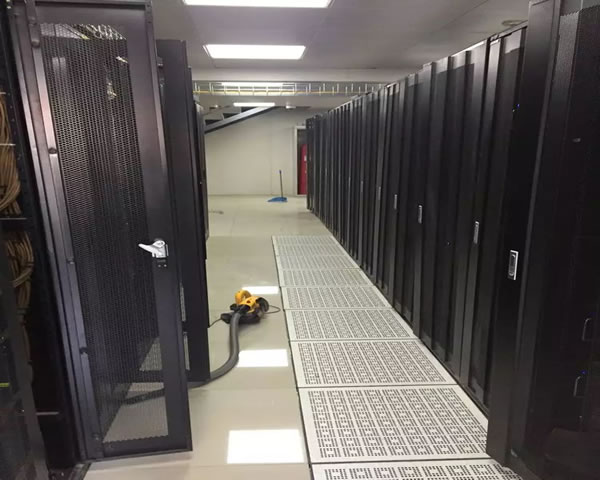
Cloud hosting usually refers to host services based on virtualization technology, where users can create and manage their own virtual hosts on the cloud platform. The characteristics of cloud hosts include exclusive resources, stable performance and simple management. Compared with cloud servers, cloud hosts focus more on providing users with fixed resources and performance guarantees, which are suitable for application scenarios with high performance requirements. In addition, the management interface of cloud hosts is usually more friendly, making it easier for users to deploy and configure quickly.
The main difference between cloud servers and cloud hosts lies in the way resources are used and managed. Cloud servers adopt the method of shared resources, and users purchase and use them on demand according to actual needs. ; Cloud hosts provide fixed resource configurations, and users need to choose appropriate configurations according to their needs. In addition, cloud servers are more flexible and scalable, suitable for application scenarios with large instantaneous traffic changes, while cloud hosts are more suitable for services with high requirements for stability and performance.
In the Thai market, demand for cloud computing is growing rapidly, especially among small and medium-sized enterprises and startups. Cloud servers are favored by more and more enterprises because of their flexibility and scalability, especially when starting new businesses or coping with peak traffic. Cloud hosts are suitable for applications that require long-term and stable operation due to their stable performance and easy management characteristics. Therefore, when choosing cloud services, enterprises need to make reasonable choices based on their own business needs and budget.
Choosing a suitable cloud service requires consideration of multiple factors, including business needs, budget, technical support and security. If your business needs flexible resources and quick response, you can choose a cloud server ; If there are high requirements for performance and stability, it is recommended to choose a cloud host. In addition, users should also pay attention to the technical support and service quality of cloud service providers to ensure timely help and solutions are obtained during use.
In the Thai market, cloud servers and cloud hosts have their own advantages, suitable for different types of users and enterprises. Cloud servers meet rapidly changing market demands with their flexibility and scalability, while cloud hosts guarantee stability and performance. When making a choice, enterprises should consider these factors in a comprehensive manner based on their specific needs and future development plans in order to find the most suitable cloud computing solution. In-depth research and analysis of it will help achieve more efficient resource allocation and better business development.
- Latest articles
- How To Improve System Fault Tolerance With Vietnamese Server Sci-fi Warship-style Designs
- What Is The Password For German Servers In Multi-user Environments, And How To Manage Authorization?
- Practical Application Suggestions For Hong Kong Native IP VPN Websites In Enterprise Remote Work Scenarios
- Recommendations For The Proper Use Of Cambodia Dial-up VPS In Web Scraping And Data Collection Projects
- In-depth Analysis Of The Impact Of Cambodia's CN2 Network Lines On Enterprises' Cross-border Access
- The Leasing Terms And Exemptions Of The Hong Kong Station Cluster Must Be Verified Before Signing The Contract
- Affordable U.S. High-defense Server Operation And Maintenance Strategy Includes Automation And Cost Optimization Methods For Monitoring
- How SMEs Can Choose Vietnam Site Cluster Servers: Cost-performance And Technical Support Evaluation
- When Choosing A Xingtai VPS Hong Kong Server, You Need To Evaluate The Quality Of Service And After-sales Standards
- How To Determine Which US Server Hosting Provider Is Best Suited Through Trials And Speed Tests
- Popular tags
-

Why Are Cloud Servers In Thailand So Expensive? Analysis Of The Hidden Costs Behind Them
in-depth analysis of the costs behind cloud server prices in thailand and understanding of the factors that affect prices. -

Comparison Of Virtualization And Containerization Solutions And Their Application Practice On Vps Servers In Thailand
compare the application practices of virtualization and containerization solutions on vps servers in thailand, covering aspects such as performance, isolation, security, network storage and operation and maintenance, and provide feasible suggestions and implementation points for deploying applications in thailand. -
Get An In-depth Understanding Of The Performance And Application Scenarios Of Thailand’s Native Vps
get an in-depth understanding of the performance and application scenarios of thailand's native vps, and explore its application advantages and technical features in different fields.